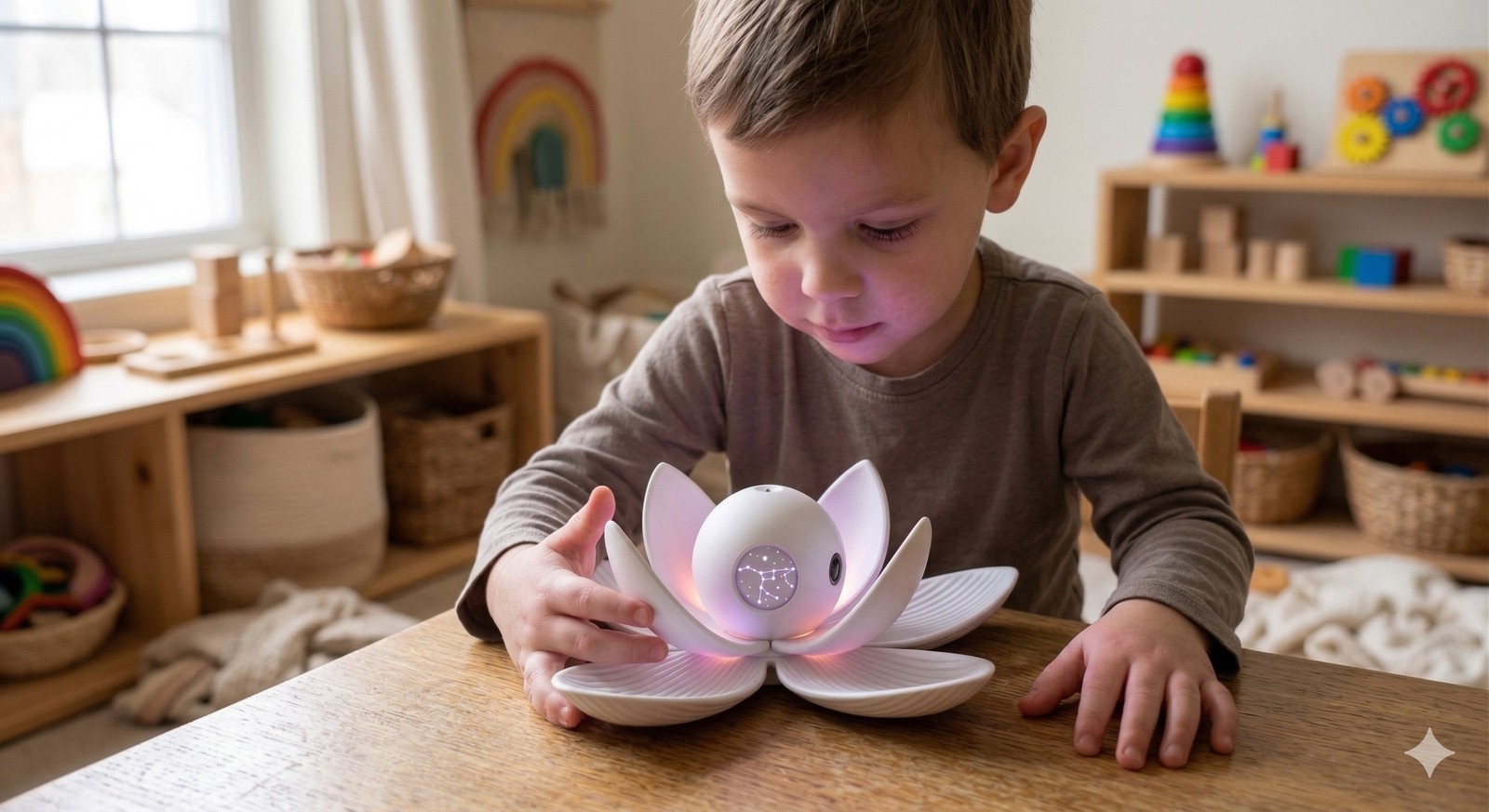
Banu Alpay Waldman
—
Innovation Leader | Creative Technologist | Experience Designer | Design Researcher
A Design Perspective on Technology
worthy of the new generation
Chapter 01 — Design Perspective
→
Enter Chapter 01 →
Chapter 02
2024 — Ongoing
I started researching play's effect on development long before I had a child. I thought it was academic curiosity. It turned out to be the curriculum I needed to build.
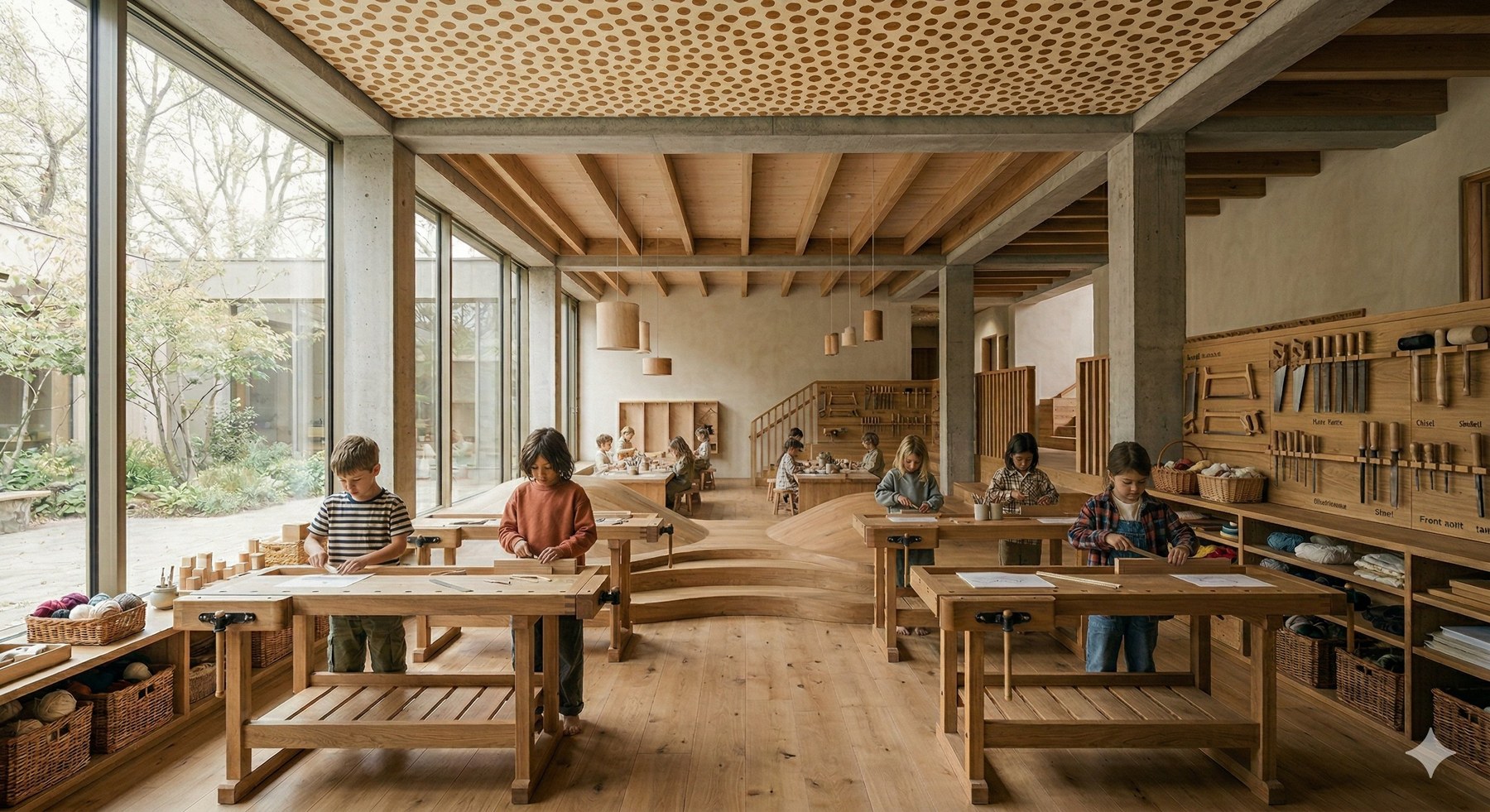
02 — Design Research Initiative
The Waldman
Curriculum
Curriculum
A craft and prototyping learning environment for K–8. Sloyd pedagogy, physical computing, spatial design, and AI literacy in a single coherent system. Research into how children develop creative agency — and what the optimal environment for that development looks like.
Read chapter →
Chapter 03
Istanbul, 2016–2017
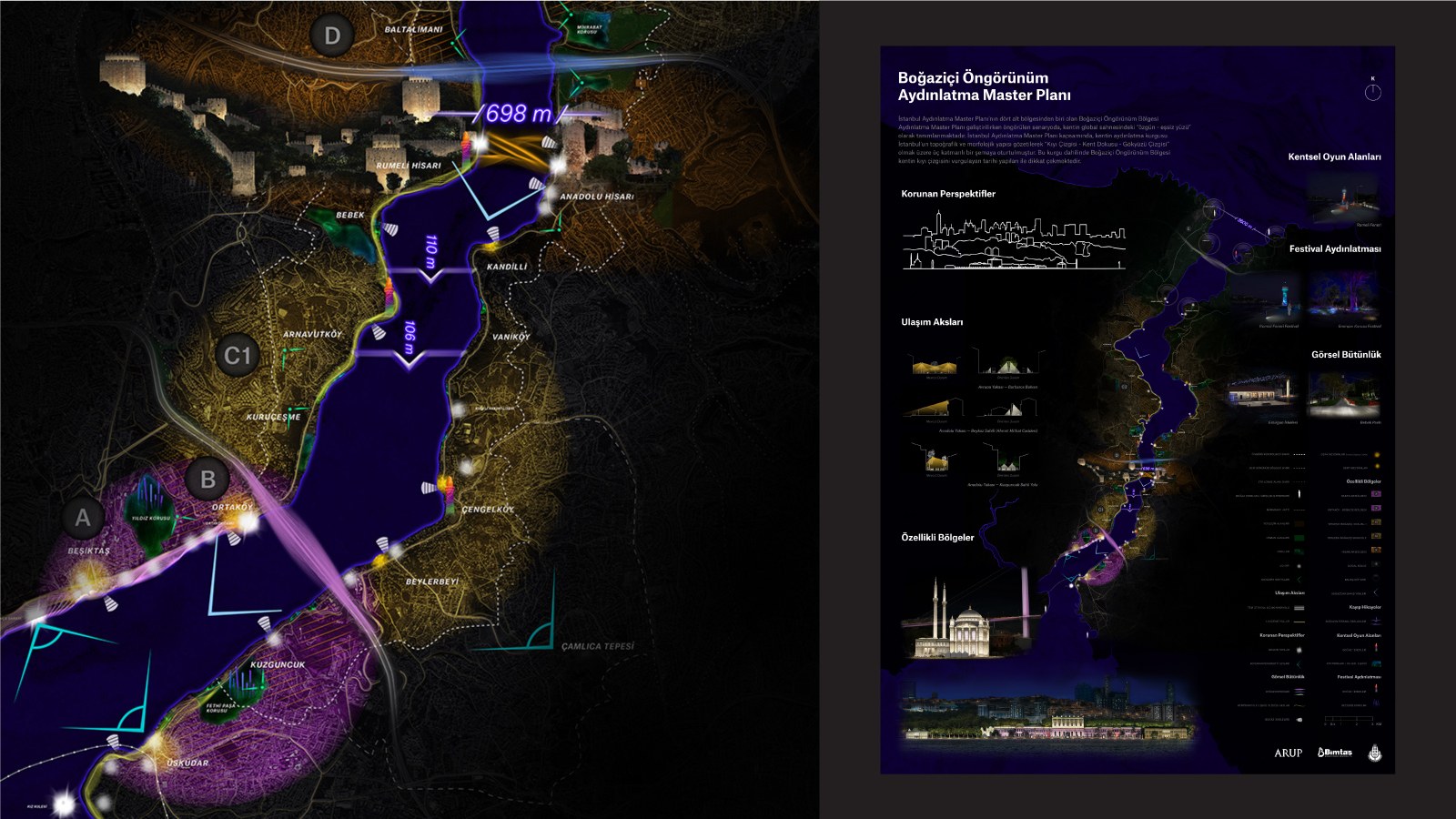
Three designers, one year, the world's 7th-largest city. My team and I learned that data at civic scale is not a technical problem. It is a translation problem — between engineers, historians, city officials, and the people who will live under the light.
03 — Civic Design · Data Visualization
Istanbul Lighting
Masterplan
Masterplan
City-scale design management and data visualization for Arup's lighting masterplan of Istanbul. Custom topographic maps, multi-zone spatial analysis, and visual communication bridging engineers, urban planners, historians, and senior city officials across a year-long engagement.
Read chapter →
Chapter 04
Dell Technologies, 2021–2023
The design question was: how do you make a hardware object disappear, and then make its software feel like it was made by the same person? The cylinder was the answer. The proximity sensor was the soul.
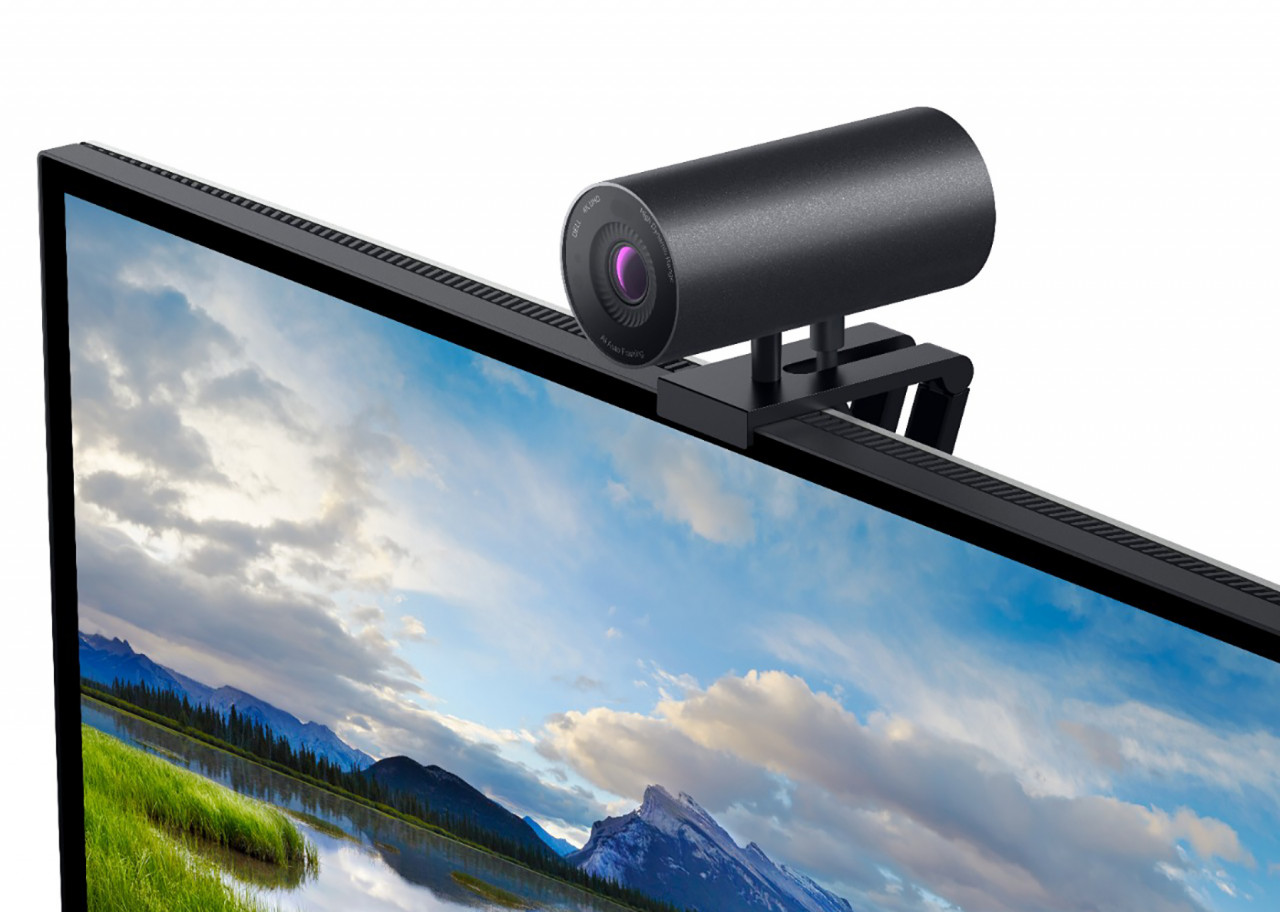
04 — Hardware · Software · Dell Technologies
Dell UltraSharp
Webcam
Webcam
A cylindrical aluminum form designed to disappear against a borderless display. A proximity sensor that wakes before you touch it. Software that gives the user control without requiring them to understand the hardware. Five international design awards.
Read chapter →
Chapter 05
Istanbul · London · Baghdad, 2010–2018
Eight years of running my own studio across three continents before I understood that the breadth wasn't a problem to solve. Each client — tech company, cultural institution, UN agency, city government — was teaching me a different language for the same thing.
05 — Studio · Istanbul · 2010–2018
Frittata Design Studio
+ Cultural Work
+ Cultural Work
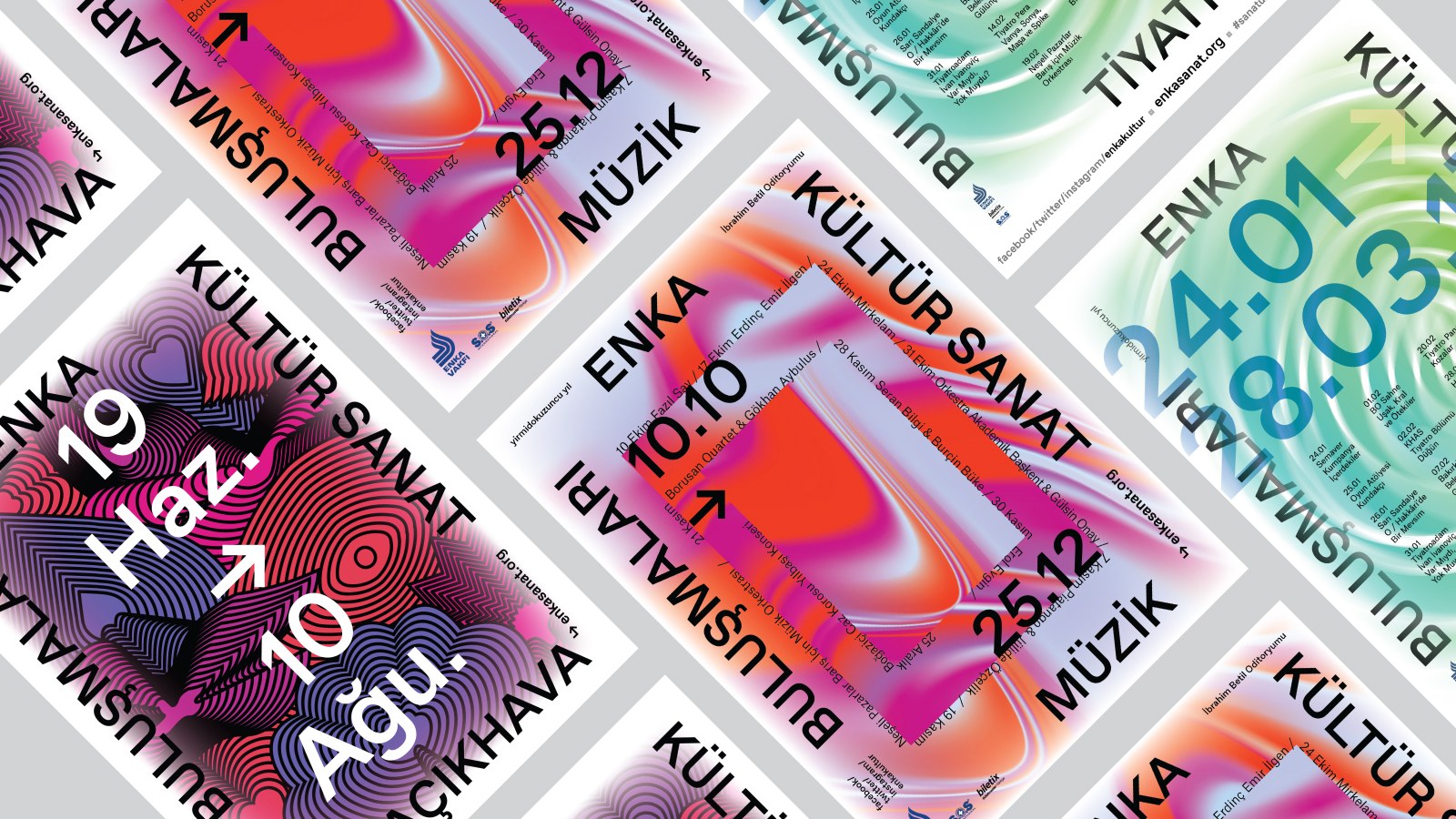
Connected product UX for Vestel's SmartMirror. Brand architecture for Vestel Ventures. Seasonal programming identity for Enka Culture and Arts Foundation. UNDP campaign in Iraq. Arup civic masterplans. Three continents. Public sector, technology, culture — often in the same year.
Read chapter →
Chapter 06
Dell Technologies, 2021–2026
I spent years thinking the design system was the infrastructure and the storytelling was the output. Then I built a system where the characters were the architecture. It turned out to be the same thing.
06 — Design Systems · Speculative Design · Dell Technologies
Organizational Memory
+ Storytelling Design System
+ Storytelling Design System
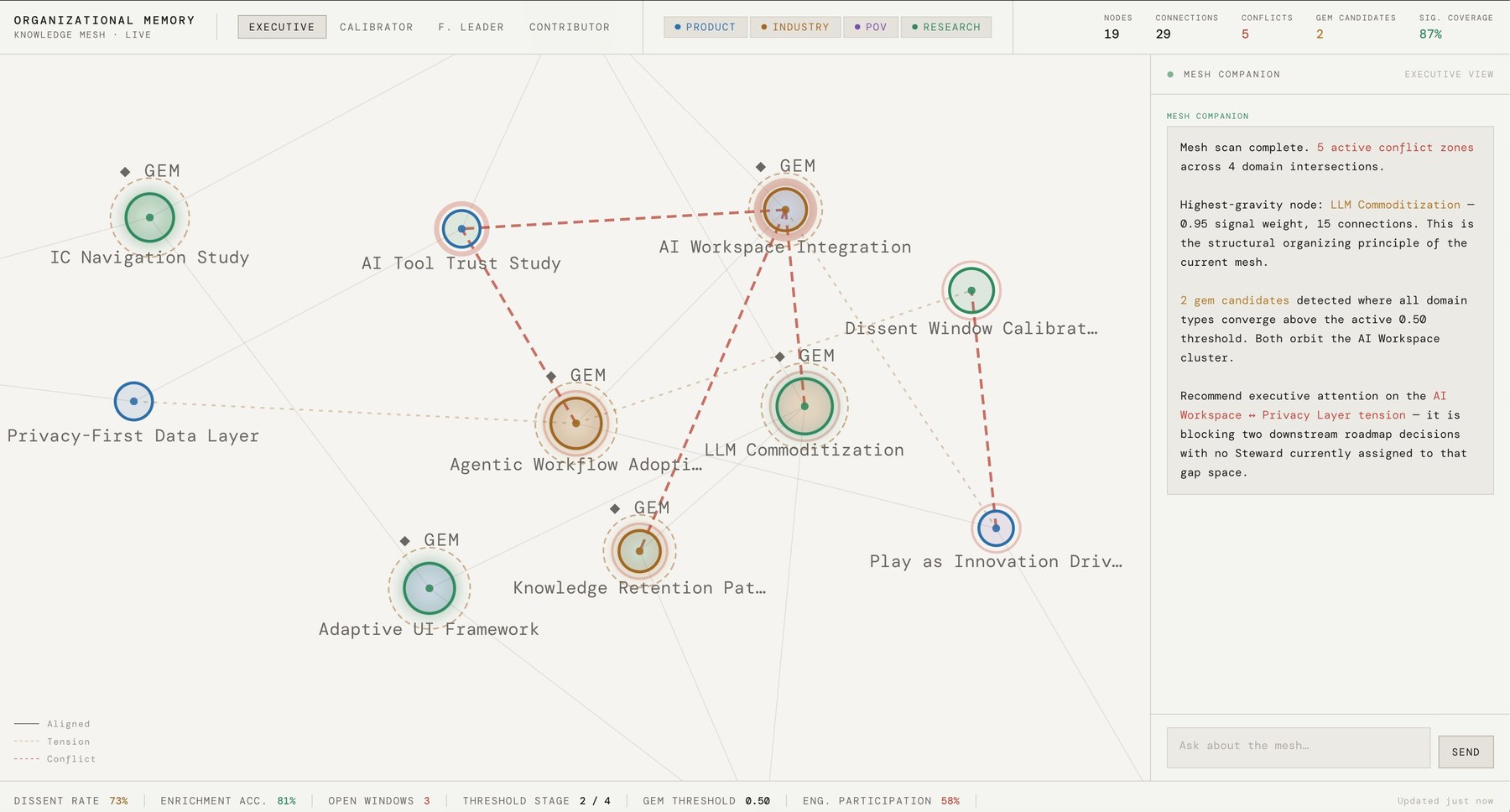
Organizational Memory prototype design. Giving existing organizational knowledge relational intelligence — so that every decision carries the memory of every relevant decision that preceded it, regardless of who made it, which function produced it, or when.
Read chapter →
Every discipline I moved through expanded what I knew how to look at. The thread was never a category. It was a conviction: that the objects and systems people live inside should be worthy of them.
Austin, Texas. Originally Istanbul.
I started in industrial design and left — not because I didn't love it, but because I wasn't ready for it yet. I found communication design and fell in love with what graphic design could do to a society when used with restraint and good intention. Spatial design. Branding. Advertising. Furniture. Data visualization at city scale. Software experience at enterprise scale. Physical computing. Speculative futures.
I started in industrial design and left — not because I didn't love it, but because I wasn't ready for it yet. I found communication design and fell in love with what graphic design could do to a society when used with restraint and good intention. Spatial design. Branding. Advertising. Furniture. Data visualization at city scale. Software experience at enterprise scale. Physical computing. Speculative futures.